How a Pizza Restaurant Creates a Memorable Brand
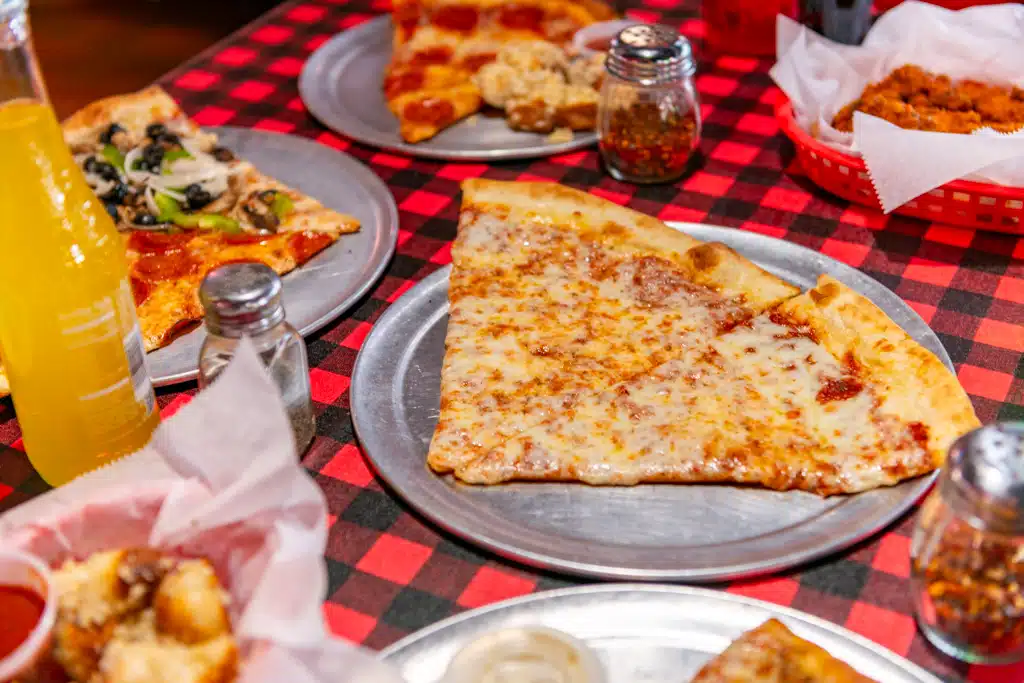

A memorable brand rarely begins with a logo. In a pizza restaurant, it usually starts somewhere less glamorous and more revealing, the first smell when the door opens, the pace of the greeting, the way the crust looks when it lands on the table, the confidence of the menu, the soundtrack in the room, the box in someone’s hands as they walk home. Guests may say they came for the food, and they did, but what makes them remember the place is the total experience wrapped around that food.
That distinction matters because pizza is one of the most crowded categories in hospitality. Nearly every neighborhood has options. Some are family-run institutions with thirty years of history. Some are sleek new concepts with imported ovens and polished interiors. Some compete on convenience, some on price, some on craft. A pizza restaurant that wants to build real staying power cannot rely on dough and cheese alone. It needs a brand that customers can describe to someone else without hesitation.
The strongest restaurant brands are not built from decoration. They are built from choices repeated so consistently that they become recognizable. When the choices are clear, guests feel them. They know what the place stands for, who it serves, and why it feels different from the five other spots nearby selling slices, pies, and garlic knots.
Brand lives in the gap between what you promise and what guests feel
Owners often talk about branding as a design exercise. They discuss colors, signage, uniforms, fonts, social media tiles. Those things matter, but they are surface signals. They only work when they reflect something true. If the visual identity says artisan neighborhood favorite, but the service feels rushed and the pizza tastes generic, the brand collapses on contact.
In practice, the brand of a pizza restaurant is the impression left after every interaction is added together. It is what the guest believes about the place, not what the owner wishes the guest believed. That may sound obvious, but it changes how decisions get made.
A restaurant that defines itself as warm and family-centered should probably not train staff to move guests along in a way that feels transactional. A restaurant that presents itself as obsessive about ingredients cannot quietly switch to cheaper mozzarella without consequences. A late-night slice shop that promises speed and convenience has no business making people wait fifteen minutes while the team debates order tickets. Every promise creates an operational burden. The best brands accept that burden and build systems around it.
I have seen small independent operators outperform larger chains simply because their identity was sharper. One place had nothing fancy at all, just red booths, old sports photos, and a wood-fired oven in partial view. But every detail reinforced the same message: generous portions, familiar hospitality, no pretense, excellent pies. Guests returned because the experience was coherent. They trusted the restaurant to be itself every time.
The food is the heart, but the point of view gives it meaning
Pizza has a low barrier to entry and a high barrier to distinction. Plenty of kitchens can make an acceptable pie. Far fewer can make one that carries a point of view. That point of view is where brand begins.
A memorable pizza restaurant knows what kind of pizza it believes in. Not in a vague sense, but in practical, visible ways. Is the dough fermented for flavor or produced fast for efficiency? Is the crust meant to be folded on the sidewalk or eaten slowly with wine? Are toppings generous and https://stephenkypy746.evergrovio.com/posts/how-a-pizza-restaurant-can-impress-out-of-town-guests nostalgic, or restrained and seasonal? Is the sauce bright and acidic, sweet and familiar, spicy, herb-driven? These are culinary decisions, but they are also identity decisions.
The problem comes when restaurants try to be all things to all customers. A menu packed with every style, every topping, every dietary accommodation, every appetizer trend, and every dessert often signals insecurity. Breadth can help sales in some markets, especially suburban delivery-heavy markets, but it can also dilute memory. People remember places with conviction.
That does not mean every pizza restaurant must be narrow or precious. A neighborhood pizzeria can have a broad menu and still feel distinctive if the through line is clear. Maybe it is known for huge slices, old-school hospitality, and dependable weeknight dinners. Maybe it is the place where kids are welcomed, substitutions are easy, and the staff knows local families by name. That is branding too. Brand is not reserved for upscale concepts. It is simply the personality of the business made tangible.
A name and visual identity should clarify, not decorate
The name of a pizza restaurant carries more weight than owners sometimes realize. It shapes expectations before the first visit. A name rooted in family heritage, geography, or a specific style can create instant context. A playful name can work, but only if the rest of the experience supports that energy. A highly polished, modern name sets a different expectation than a classic surname-and-oven approach.
Visual identity should answer a basic question: what kind of experience is this? Guests should be able to tell, at least roughly, whether the restaurant is fast casual, date-night ready, family-oriented, chef-driven, bargain-friendly, or nightlife adjacent. The danger is choosing visuals based on trends rather than truth. There was a stretch when many restaurants adopted the same reclaimed wood, black steel, Edison bulb formula. It photographed well, but it also made places blur together.
Memorable branding creates recognition at a glance. That can come from a distinct box design, a color palette that stands apart in delivery photos, a storefront that feels unmistakable at night, or menus written with a voice customers can identify in seconds. Some of the strongest pizza brands use surprisingly simple design. They win because the design aligns with the product and the people, not because it shouts louder than everyone else.
Packaging deserves special attention here. In pizza, the box is not a minor detail. It is a moving billboard, a dining surface in some homes, and often the last branded object the customer handles. A plain box may be fine for a high-volume operation watching margins, but if the goal is memorability, the box should carry some of the restaurant’s character. That could mean thoughtful typography, a short story, reheating guidance written in a human voice, or a visual cue that makes the box recognizable from across the room.
The room teaches guests how to feel
Walk into ten pizza restaurants and you can predict a surprising amount about each brand before the first bite. Lighting, music, spacing, counter layout, oven visibility, queue flow, seating comfort, and cleanliness all communicate intent.
A slice shop with bright lights, standing room, and quick turnover tells guests not to linger. That can be a strength. A neighborhood dining room with warmer lighting, sturdy booths, and staff who check in naturally tells guests to settle in. A chef-led concept with an open kitchen and shorter menu signals craft and focus. None of these are inherently better. What matters is internal consistency.
One common branding mistake is borrowing a room concept from another format without thinking through behavior. A pizza restaurant built for delivery volume but designed like a slow, intimate dining room often creates friction. Guests waiting on takeout crowd seated tables. Drivers stack up near the entrance. Staff weave through tight spaces with boxes and salads. The experience feels chaotic, and the brand suffers even if the pizza is good.
The physical environment should support the brand promise operationally. If the restaurant wants to be known as the neighborhood’s easiest family dinner option, then stroller access, quick check splitting, and sensible acoustics matter. If it wants to be known for premium craft pizza and natural wine, then plateware, glassware, and pacing matter. Branding is not abstract when rent, traffic flow, and turnover are on the line.
Service style is one of the fastest ways to become memorable
People forgive more than operators think when they feel genuinely taken care of. They also remember indifference for a long time. Service is one of the few branding tools that cannot be copied from a Pinterest board.
In a pizza restaurant, service style should match the concept rather than imitate fine dining or fast food scripts. A casual pizzeria does not need rehearsed speeches. It needs warmth, speed, product knowledge, and situational awareness. Staff should know which pies are best sellers, which one is best for a first-time visitor, how spicy the house oil actually is, whether the gluten-free crust is made in a shared environment, and how long a whole pie will take during a rush. Useful knowledge builds trust quickly.
I have watched operators spend heavily on interior upgrades while ignoring front-of-house training. The result is usually predictable. The room looks polished, but guests leave remembering the server who seemed irritated, the host who did not look up, or the cashier who could not answer simple menu questions. By contrast, a modest pizza restaurant with excellent service can build loyal regulars at a remarkable pace.
There are a few service moments that consistently shape memory more than owners expect:
- The first greeting, especially during a rush
- How staff handle delays or mistakes
- Whether recommendations feel honest or scripted
- The condition and timing of takeout orders
- The goodbye, including whether anyone invites the guest back
Those moments do not require luxury-level staffing. They require clarity and repetition. If the team knows exactly how the restaurant wants guests to feel, they can translate that into behavior.
Signature items create anchors in the customer’s mind
Most memorable pizza brands have at least one anchor item, something guests talk about specifically rather than generally. It might be a vodka pie with a cult following, a square slice with a caramelized cheese edge, a garlic knot recipe people order by the dozen, or a house ranch so good customers buy extra cups for home. Signature items help a restaurant escape the vague compliment of “pretty good pizza.”
The key is to make those items signature because they are truly worth remembering, not because the menu labels them as such. Customers decide what becomes iconic. Still, smart operators can help the process by giving special items enough support. That means strong naming, consistent presentation, strategic menu placement, and staff confidence when describing them.
A signature item also gives marketing substance. Social media performs better when there is something visually and emotionally specific to show. Press outreach works better when there is a dish with a story. Word of mouth spreads faster when people have a clear recommendation. “You have to try the hot honey pepperoni pie” is far more powerful than “You should go there sometime.”
There is a trade-off, though. Signature items can become so dominant that they overshadow the rest of the menu or create production bottlenecks. If one pie takes far longer to make and half the dining room orders it on Friday night, the kitchen can get buried. Branding should not ignore throughput. Memorable is good. Memorable and executable is better.
Storytelling works when it is earned
Every restaurant has a story, but not every story deserves equal billing. Guests do not need a dramatic origin tale if the place opened because an owner saw a market opportunity. That is normal and respectable. Forced storytelling often sounds hollow. The better approach is to find the truth that explains the restaurant’s decisions.
Maybe the dough process came from years of trial and error in a family bakery. Maybe the recipes reflect one owner’s childhood in a particular region. Maybe the founders wanted to recreate the ease of weeknight pizza nights they loved growing up, but with stronger ingredients and better hospitality. Maybe the concept emerged because a neighborhood lacked a dependable place to gather after school events and local games. These stories matter when they connect directly to what guests experience.
Customers can sense when a story exists only for marketing. If a pizza restaurant talks endlessly about old-world tradition but uses frozen shortcuts everywhere, the story becomes a liability. If it says it is community-driven but never participates in local life, the claim feels empty. Earned storytelling is modest, specific, and visible in operations.
Consistency is what turns first impressions into brand equity
One great visit creates curiosity. Ten reliable visits create a brand. This is where many promising restaurants stall. They get the opening buzz, the social media attention, the local write-ups, then drift because standards loosen. Dough changes with whoever is working. Music swings wildly by shift. Portioning slips. The online ordering experience gets clunky. Takeout quality drops. Guests cannot articulate what changed, but they feel the inconsistency.
Consistency is not glamorous work. It is recipe discipline, prep standards, staff training, ordering procedures, equipment maintenance, and sober quality control. It means resisting the temptation to improvise on core items unless the change is a true improvement. It means understanding that the guest ordering on a rainy Tuesday deserves the same care as the influencer who tagged the restaurant on opening weekend.
For a pizza restaurant, consistency is especially visible because repeat customers often order the same thing. They know exactly how the crust should blister, how the cheese should set, how much basil usually lands on the margherita. Small variations register quickly. A brand becomes memorable partly because it becomes dependable.
Community presence shapes local reputation more than ads do
Many operators overestimate the power of promotion and underestimate the value of familiarity. A pizza restaurant builds brand strength when it becomes part of local rhythm. That can happen through school fundraisers, late-night availability after games, partnerships with nearby breweries, sponsoring neighborhood events, or simply treating repeat guests like they matter.
The point is not performative community involvement. People can spot that quickly. The point is to become woven into the routines and memories of the area. A family that orders every Friday. A softball team that comes after games. Office staff who rely on lunch slices every Wednesday. College students who associate the restaurant with a period of their lives. These patterns create emotional brand equity that advertising alone cannot buy.
Digital presence still matters, of course. The website should be easy to navigate. Menus should be current. Ordering should be smooth on mobile. Photos should reflect the real product, not a stylized fantasy. Reviews should be monitored with a calm, practical tone. But the digital layer works best when it amplifies a genuinely strong local reputation.
Price sends a branding message whether owners intend it or not
Pricing is often treated purely as a financial decision, but it shapes perception powerfully. A pizza restaurant priced well below competitors may attract volume, but it can also signal lower quality unless the value story is exceptionally clear. A restaurant priced at the top of the market needs to justify it through ingredients, execution, service, and environment. Guests are surprisingly fair about pricing when the proposition makes sense. What frustrates them is mismatch.
There is also a difference between being expensive and being premium. Expensive feels arbitrary. Premium feels deliberate. If a pie costs several dollars more because the dough is long-fermented, the cheese is better, and the overall experience reflects care, many customers will accept it. If the same pie arrives lukewarm in a flimsy box with sloppy toppings, the brand takes a hit far larger than the margin gain.
Operators should also think carefully about promotions. Constant discounting can train customers to see the brand as interchangeable. Used selectively, offers can introduce new guests or fill soft dayparts. Used habitually, they can erode the very distinctiveness the restaurant is trying to build.
The memorable brands know what not to do
Restraint is part of branding. Not every trend deserves adoption. Not every customer request should become a permanent menu item. Not every social platform needs equal attention. Some of the clearest brands in the category succeed because they edit ruthlessly.
A practical test helps: if a new item, policy, or design choice became permanent tomorrow, would it make the restaurant feel more like itself or less? That question catches a lot of bad ideas early. It prevents the menu from sprawling, the voice from getting confused, and the operation from drifting away from its strengths.
Here are a few decisions strong operators weigh carefully before saying yes:
- Expanding the menu beyond what the kitchen can execute consistently
- Chasing every visual trend in interiors or packaging
- Discounting heavily to solve a positioning problem
- Copying a competitor’s popular item without a real fit
- Promising premium quality without funding the labor and ingredients to support it
Saying no can feel risky, especially in competitive markets. Still, clear brands are usually built by disciplined exclusion as much as by creative addition.
What guests carry with them
When people describe a memorable pizza restaurant later, they rarely recite the business plan. They talk about the crisp edge on the square pie, the server who steered them right, the box that kept the pizza intact on a ten-minute walk home, the feeling that the place had character, the way it fit a date night or a family dinner or a solo lunch at the counter. They remember specifics because the brand turned those specifics into a pattern.
That is the real work. A memorable brand is not a slogan pinned on top of operations. It is what happens when product, service, design, pricing, story, and consistency all point in the same direction. In a pizza restaurant, where competition is relentless and customer expectations are high, that alignment is not optional. It is the difference between being one more place that sells pizza and becoming the place people think of first.